


The Success of “Ipasi” Sparks a Deluxe Edition from Jabulile Majola, Led by “Nyana Ka Maria”
The release of Jabulile Majola’s Ipasi deluxe edition follows a breakout run for the record across South Africa and beyond. It expands the album from 11 to 15 tracks, with two new songs, a live recording and an extended version of an album track.
Since its release on 11 September, Ipasi has been critically revered and has featured on top streaming charts across South Africa. It has gathered almost 6 million streams.
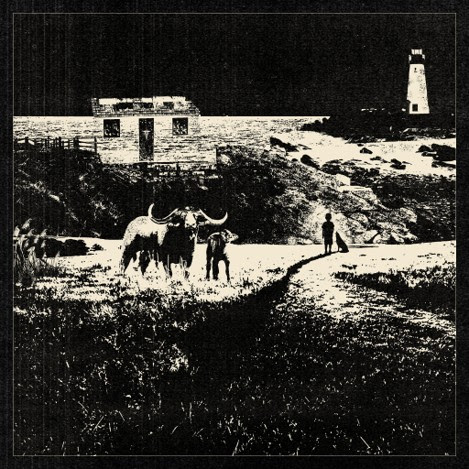
Ipasi cover art | SUPPLIED
What’s new on the deluxe edition
● “Nyana Ka Maria” (new, focus track)
● “Uhebe” (new)
● “Nyoni Yami (Live)”
● “Jakalasi (Extended Version)”
About “Nyana Ka Maria”
“Nyana Ka Maria” captures the quiet honesty of someone coming to terms with a struggling faith. It lives in the heavy space between prayer and silence. It is a gentle confession that steps away from bitterness and admits we have no right to judge. It moves from asking where God has gone to offering a quiet Thuma mina (“send me”), turning real doubt into a willing step forward. Grace, the song suggests, often begins when we stop pretending to be pure.
An album about becoming
Ipasi roughly translates to “ID Document,” and Majola approaches it through an ever-evolving understanding of himself. “All things that live grow, and all things that grow, change.”
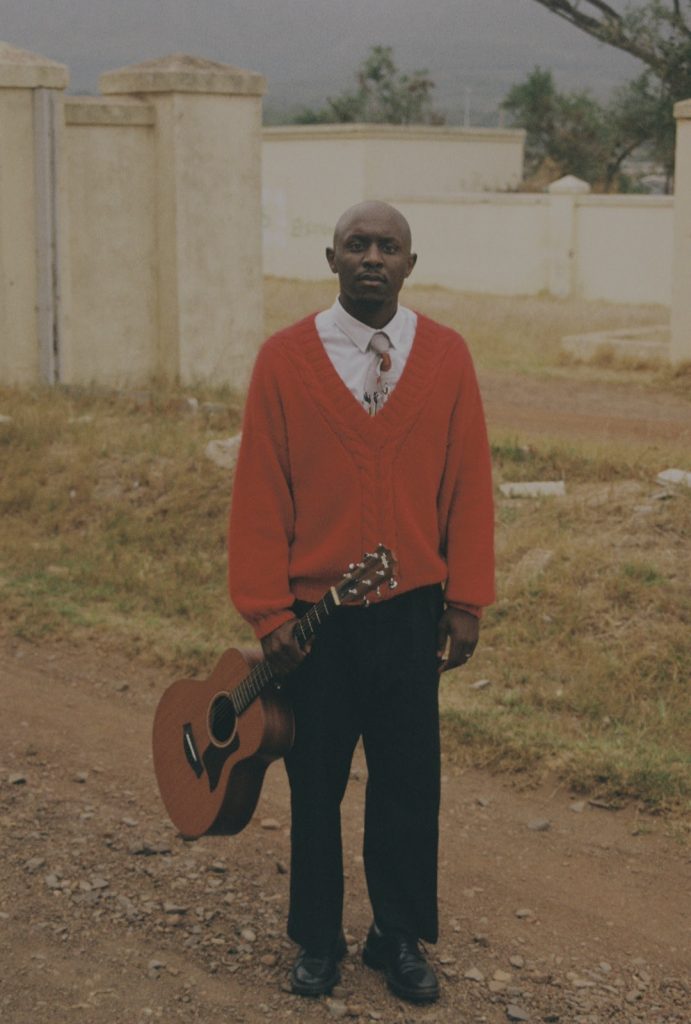
Jabulile Majola | SUPPLIED
The album began as a suite of 11 songs on identity, growth, change, love, heartbreak, vulnerability and gratitude. Where his debut, Isitifiketi (2025), laid out the cards he was dealt with open hands, Ipasi is the act of moving through them. The songs range from homes, such as a house on the coast with its windows turned toward the sky, to departures, such as a calf that turns its back on the herd to play among wild dogs. Others sit in the quiet spaces nobody chooses. “Hope,” the album’s only English-language track, is a dedication to his late sister.
The album widens Majola’s Afro-folk and Afro-soul sound with acoustic guitars, warm cellos, lush brass and subtle maskandi inflections. It was recorded in Cape Town, KwaZulu-Natal, Johannesburg and London. It features collaborations with Thando Zide and Lia Butler, with contributions from Ross Dorkin, Gregory Abrahams and Akeedah Keet.
The Pietermaritzburg-born artist, who moved from rap to Afro-folk, says the record is meant to meet listeners where they are:
“It’s not an aspirational vibe. It must get you exactly where you’re at with your life and it must connect you to that reality. It mustn’t take you away. It mustn’t make you escape, because there’s something very beautiful about staying within the tension if you are struggling. I want this album to find you where you are and keep you there, so that when you come out, you are a different person than you were when you went in.”
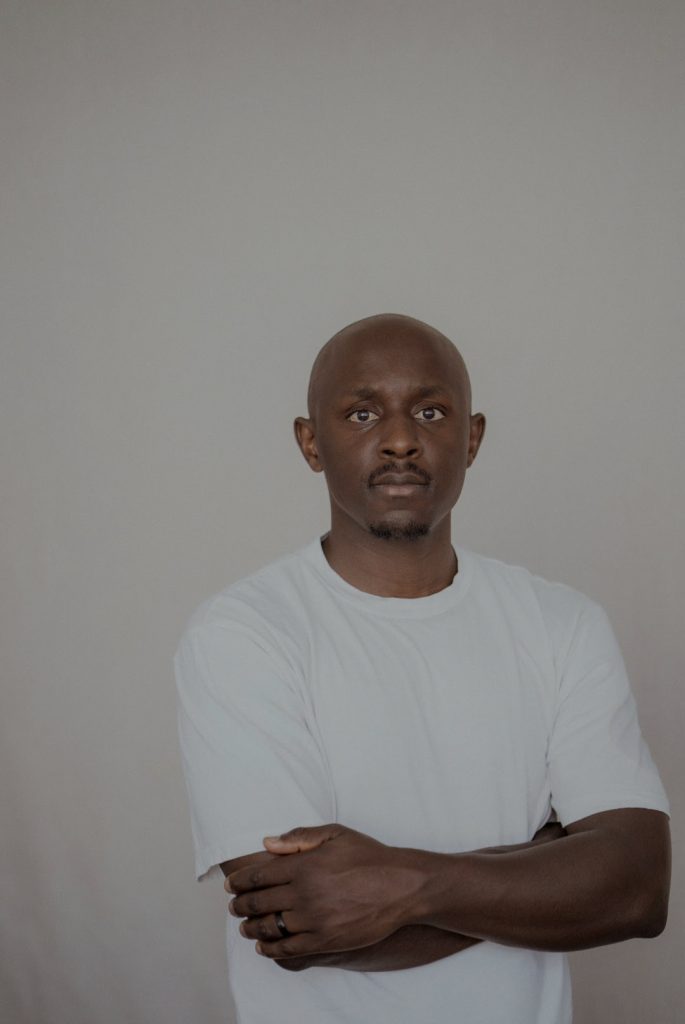
Jabulile Majola | SUPPLIED
Speaking to Apple Music’s Africa Now Radio, he reflected on the questions that drive the work:
“There’re certain questions that we ask, but sometimes you will never actually find the answer. As you grow older, your perspective towards those questions will change.”