


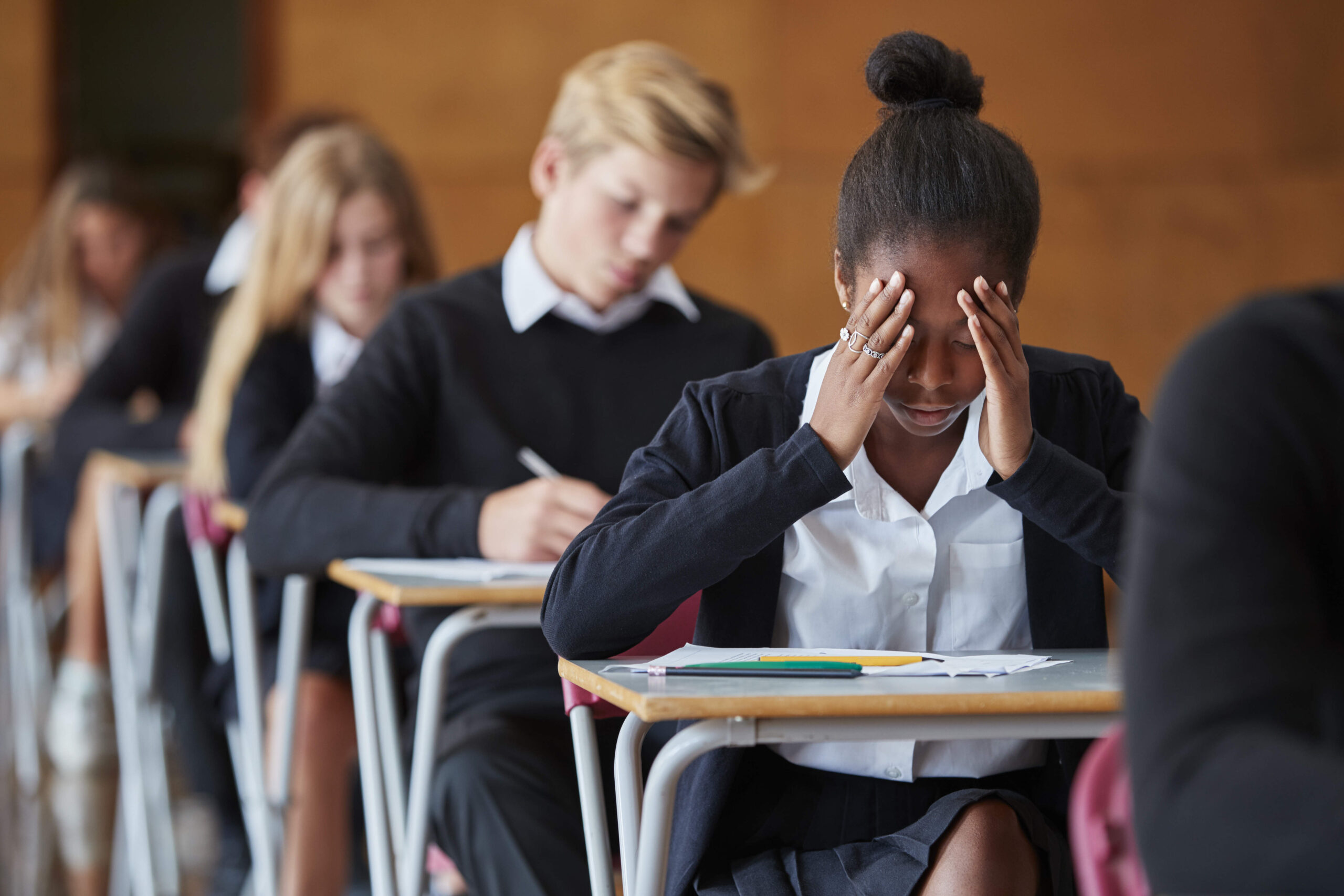
A REFLECTION ON OUR EDUCATION SYSTEM
Calling the Matric year a life-defining moment may be too simplistic a description, as many will find that life is a long, winding road. The only people out of second chances are six feet under. For the class of 2021, however, it is their most pivotal moment yet. None of us certified adults could truly grasp what they have achieved.
Navigating the stress of Matric amid a pandemic, poorly managed by the education department, could not have been easy. In all that we do, from our critiques to our dissatisfaction with things, we should not forget to congratulate these scholars. In the same breath, we ought to remember and comfort those who did not make it. It sounds cliché, but it is not the end of the world. It’s not!
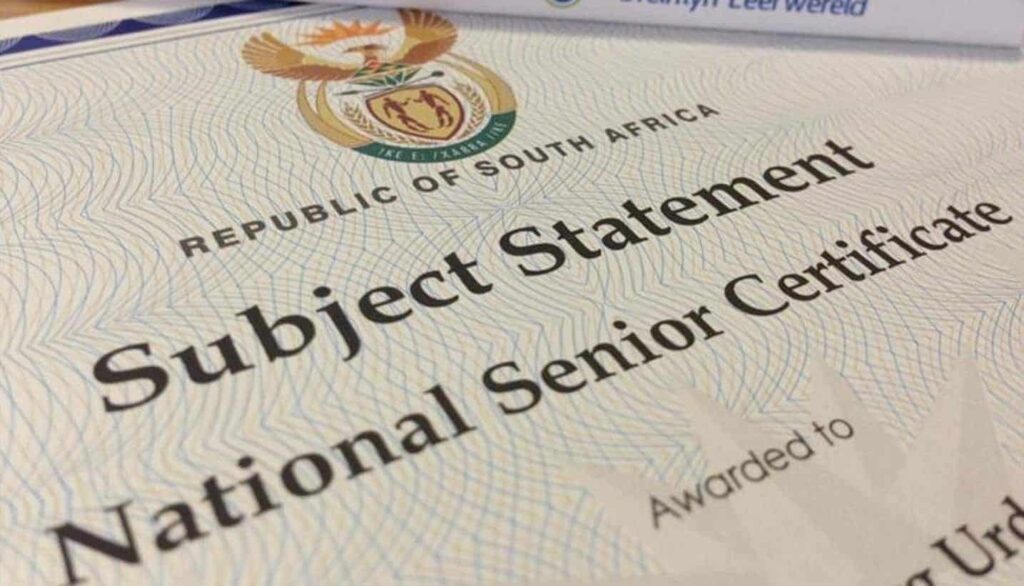
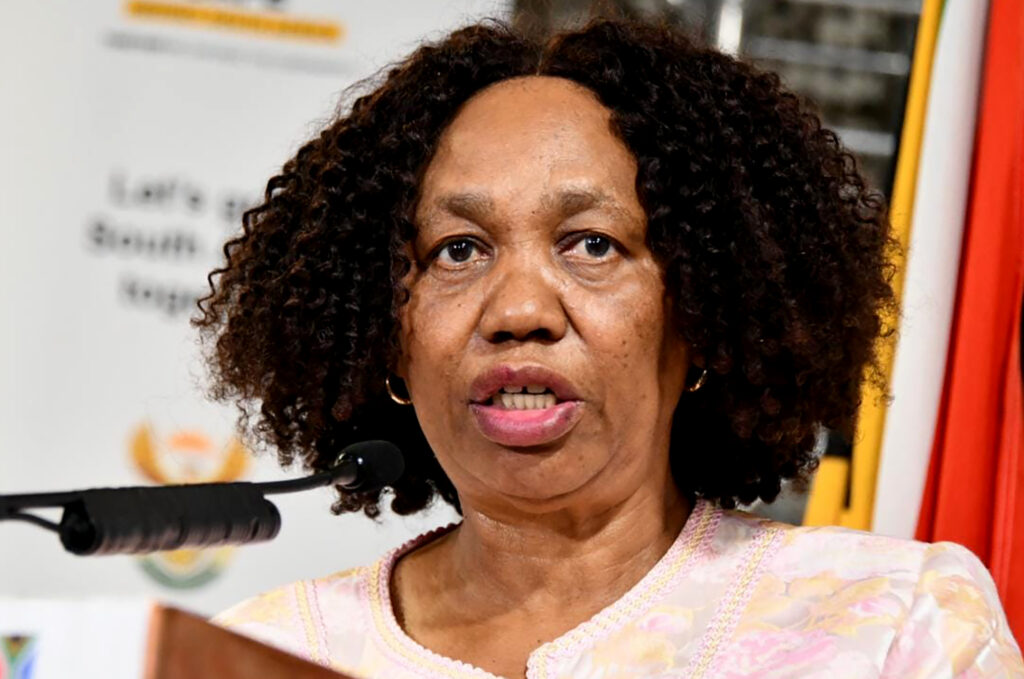
So, onto the serious stuff now! Minister of the Department of Basic Education Angie Motshekga triumphantly announced the National Senior Certificate (NSC) results for 2021. A 76.4% pass rate was cause for some applause, I suppose, as it was a 0.2% improvement from 2020.
The applause, however, does not belong to the department; it belongs to the class of 2021, who triumphed despite the government’s failure to create conditions for them to thrive. For the government, a lot more questions need to be asked.
Measuring Governments Performance
1 106 827 learners enrolled for Grade 1 in 2009. Fast forward 12 years later, only 735 677 learners sat for Matric exams—just 66.4% of the 2009 Grade 1 learners. Furthermore, only 537 687 Matriculants passed, which is just 48.5% of the Grade 1 learners of 2009. Only 61 856 did well enough to obtain a Bachelor’s Pass, which is only 5.5% of the Grade 1 learners of 2009.
This kind of performance by the government is hardly worth any applause. South African parents entrusted over a million learners to the hands of Angie in 2009; after the 12-year cycle, barely over 5% have done well enough to get into university, while more than half do not have their NSC at the end of the 12-year cycle.
There is currently an ongoing debate about moving the pass mark from 30% for certain subjects to a universal 50% pass mark for all. Not a bad thing in theory, but it feels weird coming from politicians who have presided over a system that has lost over 50% unaccounted for.
Our very system of education falls short of the 50% pass mark, and it feels disingenuous that those responsible for it want to talk about raising pass marks without giving any assurances or making plans as to how exactly they might fix a system that is broken and not working.
The State of Public Schools
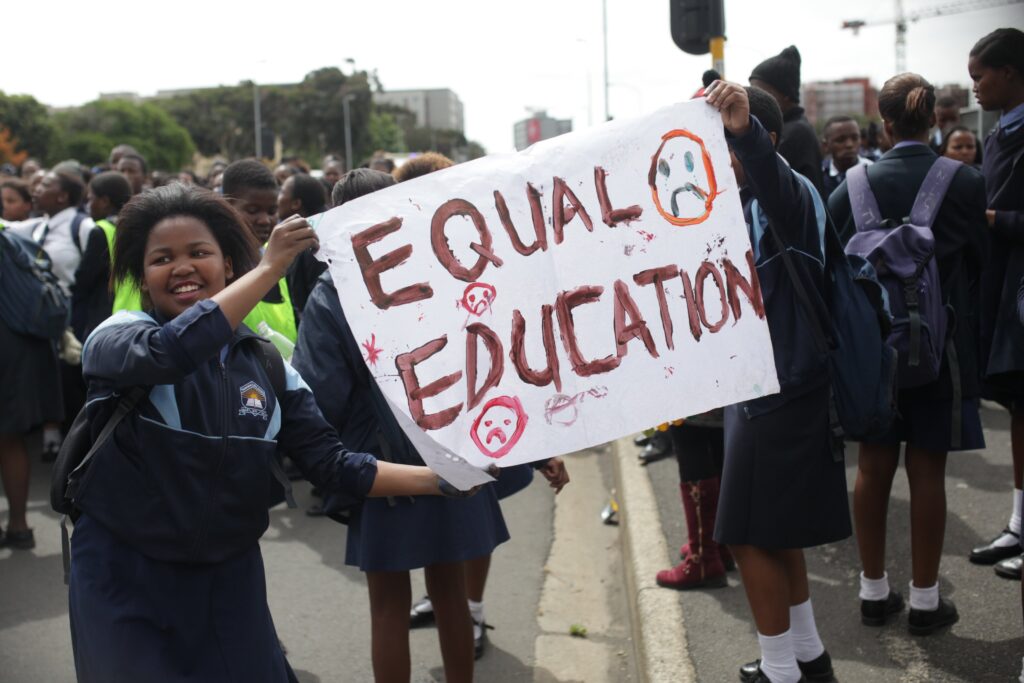
South African public schools have a 34-to-1 learner-to-teacher ratio, a pale comparison to the 11-to-1 ratio in private schools. South African public schools are hardly conducive for proper teaching and learning as most schools are under-equipped and understaffed.
Classrooms are overcrowded, and teachers struggle to give every learner the required attention. There are still schools in rural areas, like Lusikisiki, using pit toilets (that’s if there are toilets at all), schools with no running water, with some learners having to walk over 20 km just to get to school. These are the more pressing issues to be addressed before anyone wants to tell students they should get better grades.
If we want to encourage learners to raise their standard of performance, the approach should be working towards positioning them to perform to the best of their abilities. Raising the pass mark without raising the standards of the learning conditions is a superficial solution that treats the symptom but ignores the source.
The fact of the matter is that schools do not exist in isolation; they are affected by the problems within their communities. For the government to fix our education system, they have to start solving issues like poverty, inequality, and crime; such factors affect communities and the schooling system.
There is a lot more to say about this, but, as writers, it is our duty to make sure no easy victories are claimed by our failing government.
Congratulations to the class of 2021.
Head up to those who did not make it. And shame on Angie Motshekga, Cyril Ramaphosa, and the ANC for the careless manner in which they have handled the future of this country.
As for you, the reader, what do you think about our current education system? Do you feel the government is doing (or has done) enough for our youth? Please share your thoughts!
Ayanda
These percentages don’t account for the fact that during these two pandemic years, due to the dire conditions of rural and township schools, underserviced and underresourced, ; learners have lost almost 50% of school time and could not cover almost the same of the syllabus. This means institutions of higher learning will be inhereting under developed, under skilled and under equipped learners. This will add on to the already dire attrition and dropout rate for first years phenomenon but it is now going to be seen as a separate problem not related or emanating from the failures of basic education. The truth is, the conversation about the pass mark should not be a priority while a conducive environment to affect effective and effecient learning process has not yet been attained.
Zwile Ximba
I couldn’t have said it better myself