


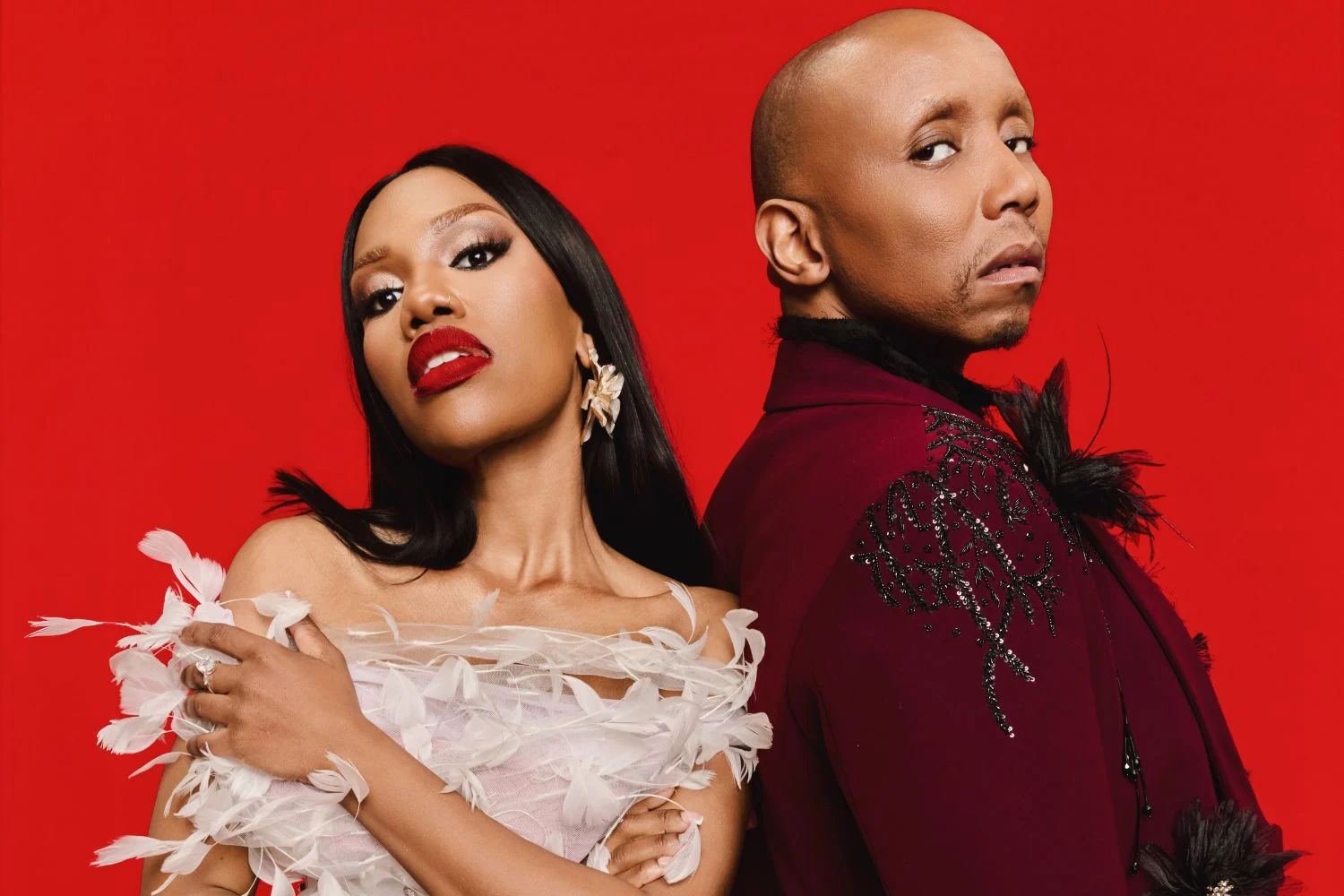
NETFLIX’S THE POLYGAMIST EXPOSES THE DEVASTATION THAT FOLLOWS WHEN WOMEN MAKE ONE UNDESERVING MAN THE CENTRE OF THEIR WORLD
Few African drama series have sparked conversation quite like The Polygamist. Adapted from the bestselling novel by Zimbabwean author Sue Nyathi, the 22-episode Netflix series has quickly become one of the most talked-about shows on social media, not because it offers easy answers, but because it forces viewers to confront uncomfortable truths about love, power, ambition and betrayal. At the centre of the story is Jonasi Gomora, played with magnetic charm by S’dumo Mtshali, a wealthy banking magnate whose carefully curated life begins to unravel as the web of wives, mistresses and secrets surrounding him grows impossible to contain.
What makes The Polygamist compelling is that Jonasi is not portrayed as a one-dimensional villain. Instead, he represents a type of man many viewers recognize, successful, influential and deeply flawed. His wealth and status become tools that allow him to manipulate the women around him, creating relationships built on dependence, secrecy and emotional compromise. As one viewer remarked online, “Jonasi was loaded and powerful, show me a woman who doesn’t want that?” The question captures one of the show’s central themes, the seductive nature of power and the difficult choices people make when ambition and desire collide.
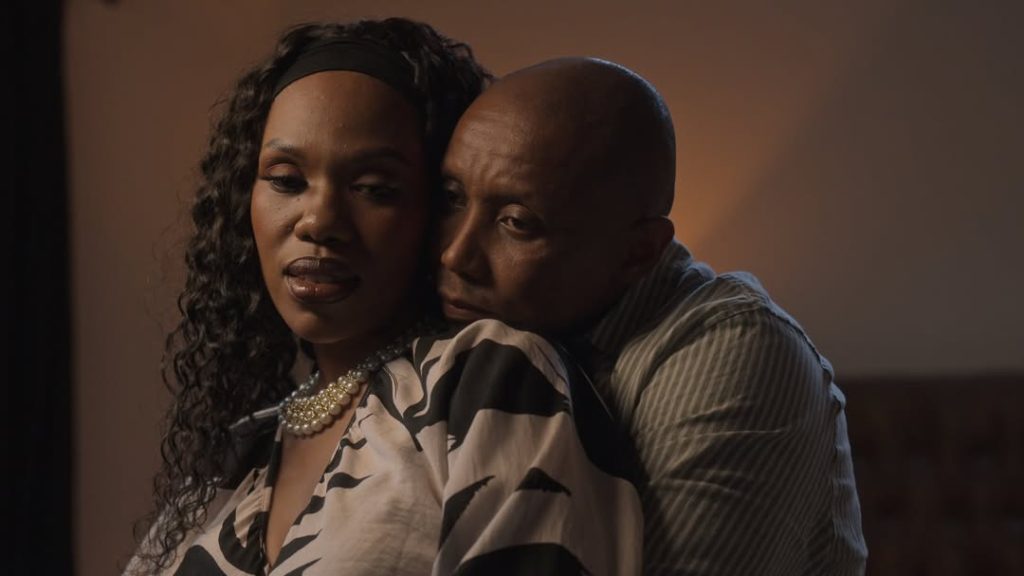
Gugu Gumede and S’dumo Mtshali | SUPPLIED
The emotional core of the series belongs to Joyce Gomora, brilliantly portrayed by Gugu Gumede. Joyce’s journey from a pampered, devoted wife to a woman forced to confront devastating truths has resonated deeply with audiences. Social media has been flooded with sympathy for her character, with many simply declaring, “Poor Joyce.” Yet the show goes beyond portraying her as a victim. It explores how love can sometimes become self-sacrifice, and how people can lose themselves while trying to preserve relationships that are already broken. As one viewer observed, the women in Jonasi’s life “loved him too much and neglected themselves in the process.”
Meanwhile, Kwanele Mthethwa’s Matipa adds another layer of complexity to the narrative. Ambitious, calculated and determined to secure her place, she challenges viewers to question where accountability begins and ends. Some audiences have criticised characters who pursue relationships with married men, arguing that ambition can sometimes take destructive shortcuts. Others see Matipa as a product of a system where status and financial security often influence personal decisions. The beauty of The Polygamist lies in its refusal to present these issues in black and white, allowing viewers to draw their own conclusions.
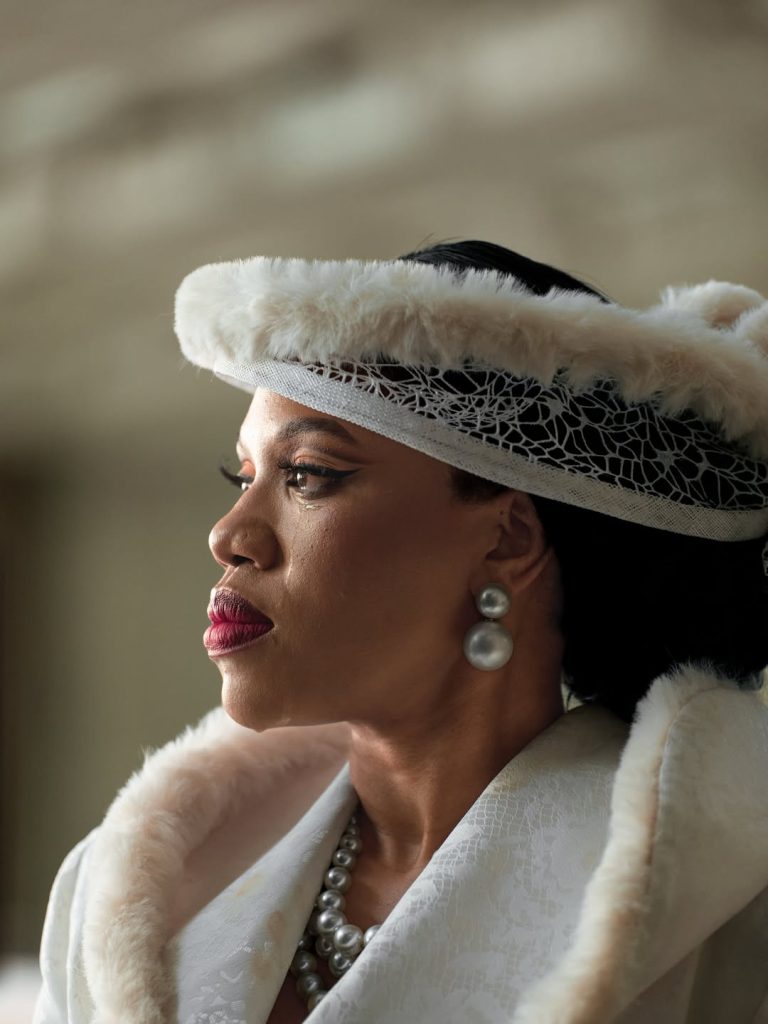
Gugu Gumede as Joyce Gomora | SUPPLIED
Perhaps the show’s greatest strength is its relentless pacing and constant revelations. Every episode seems to introduce another secret, another betrayal or another hidden connection, leaving audiences emotionally exhausted yet unable to stop watching. “The show is messing with my head,” wrote one viewer, while another pointed to the endless stream of revelations that continue to reshape perceptions of every character. The series thrives on this uncertainty, keeping viewers questioning who deserves sympathy, who deserves blame and whether anyone in Jonasi’s world is truly innocent.
In the end, The Polygamist succeeds because it functions as more than a story about polygamy. It is a study of human weakness, unchecked desire, fragile boundaries and the consequences of deception. The ongoing debate online proves that audiences are seeing different stories within the same narrative. Some view it as a cautionary tale about men who cannot commit. Others see it as a critique of women chasing power through relationships. Many argue it is about a family destroyed by the absence of boundaries. The truth may be all of these interpretations at once. In a television landscape crowded with predictable dramas, The Polygamist stands out by provoking conversation long after the credits roll, making it one of the most compelling African series of the year.