


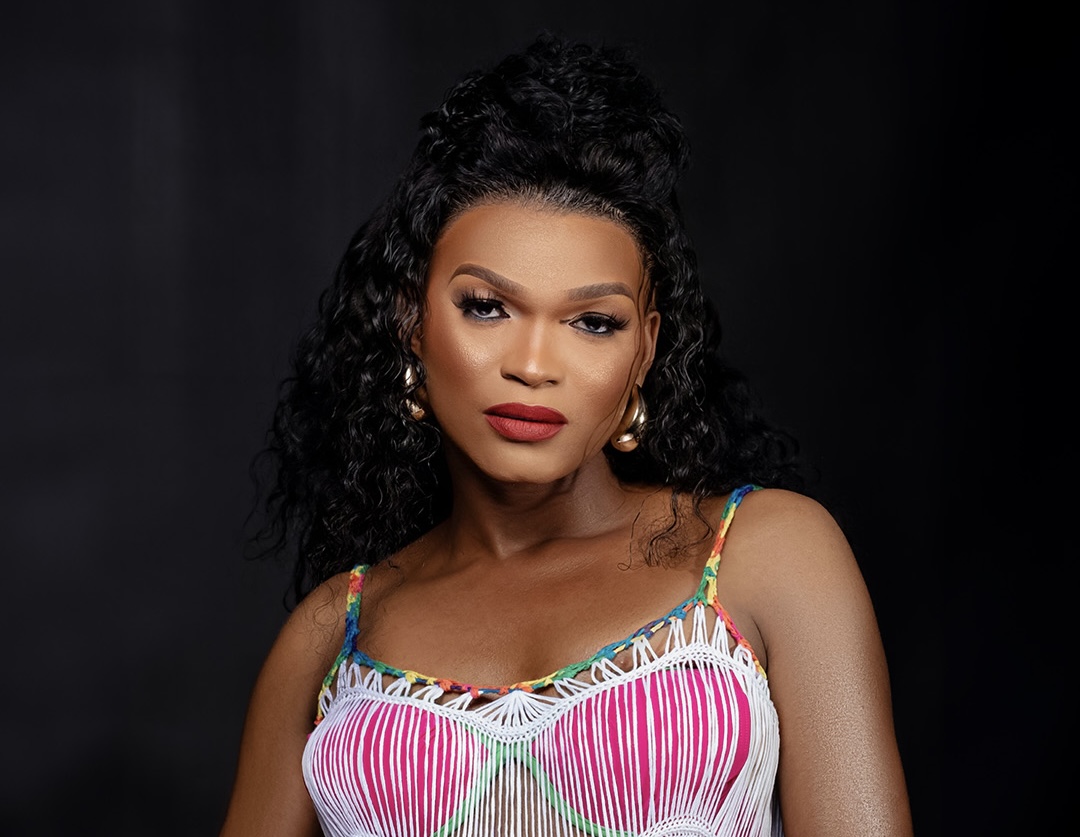
Yaya Mavundla – Letting Activism Speak Louder Than Words
In honour of this year’s Women’s Day, Front Page has the privilege of showcasing the achievements and work of trailblazer, trendsetter and all-round icon, Yaya Mavundla.
As a renowned influential figure in South African entertainment, arts and culture, Yaya Mavundla has not only moved the needle when it comes to trends but pushed the envelope when it comes to raising key topics –particularly those centred around her activism as a black transgender woman.
We speak just days after her 36th birthday where she hosted a lavish celebration with close friends and industry confidantes at the gorgeous Kream restaurant in Fourways Johannesburg. The occasion marked a cause for celebration – a moment to look back on a career and life glittered with achievements, accolades and a general sense of respect across the nation.
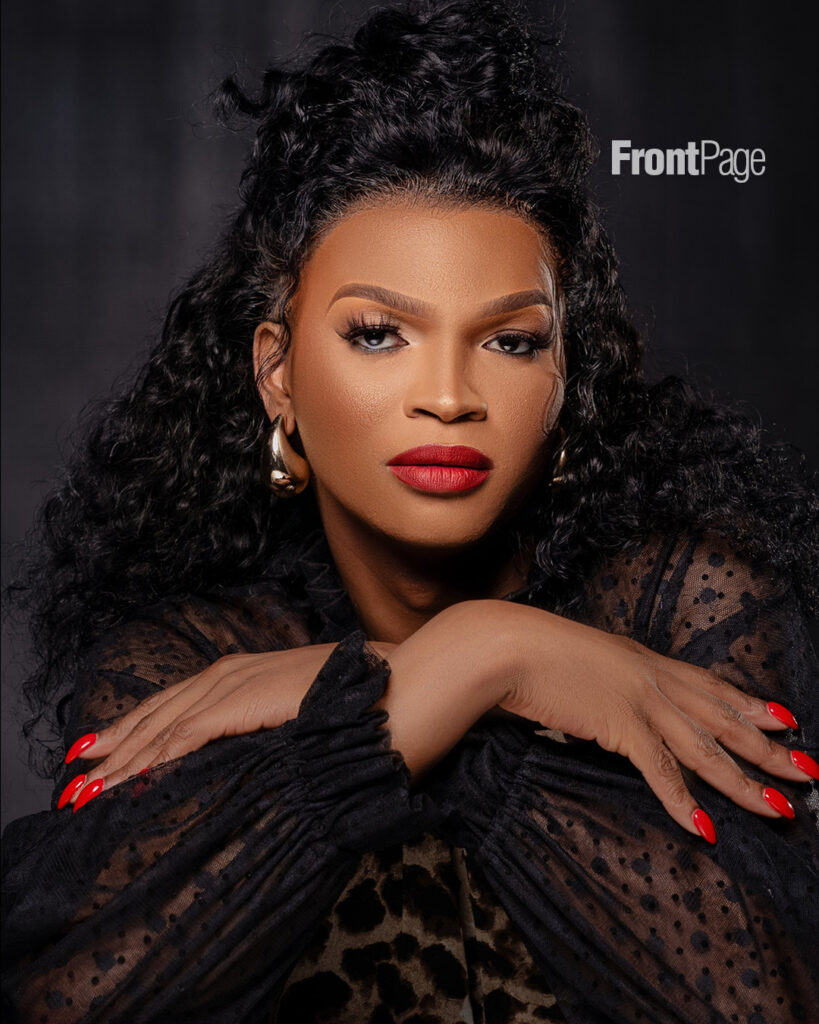
Yaya begins by admitting, “I have never celebrated my birthday since my 21st! This was my first party since then and it felt so good!”
The multi-hyphenate star is no stranger to the Previdar platform having sat down to have a discussion with us in 2023. This time around, the occasion is one that couldn’t be closer to Yaya’s heart.
Women’s Day 2024 – In Conversation With Yaya Mavundla.
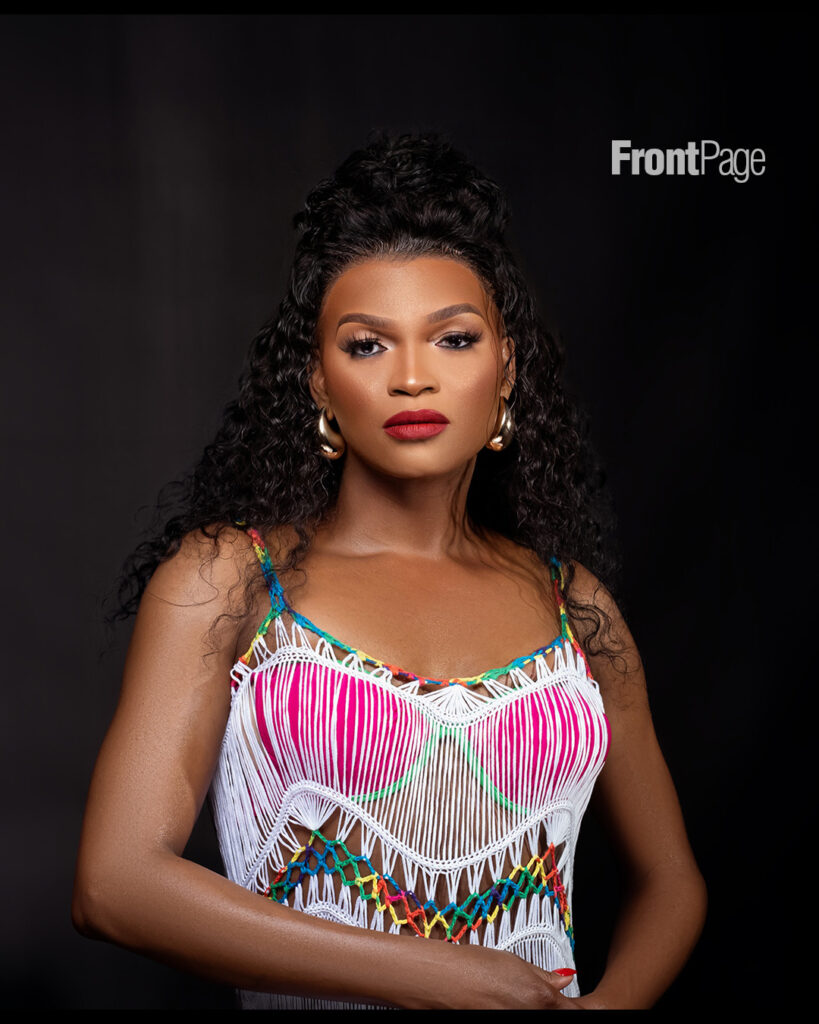
How does it feel to be Yaya Mavundla today, on 9th of August, observing South African Women’s Day?
“I always get so shy when I hear people listing my accolades, I can never believe like ‘wait, this is me?’. But I am grateful, truly and honestly very grateful for the opportunity to make an impact in my life and in the lives of people around me.
Women’s Day is something extremely close to my heart, especially as a black transgender woman in South Africa because most of the time we don’t really have trans women being celebrated and being included on these big days. It’s always ‘what are you doing in women’s spaces’?
I always want to reply by saying, “But aren’t I a woman, too?”
Women’s Day in South Africa has become a big opportunity for dialogue and education over the past few years especially. It seems as if the women of today are determined to use the occasion to continue making the strides begun in 1956. How do you feel at the moment?
“What I love seeing is that for the past few years especially, women have begun taking their power back and finding their voices. Women are no longer afraid of being at the forefront of movements even in the face of intimidation. There’s no longer an attitude of waiting for approval from men to do this or that.
Women are now emerging as thoughtleaders – leading the boardrooms, the homes, the schools and I have loved seeing this progress”
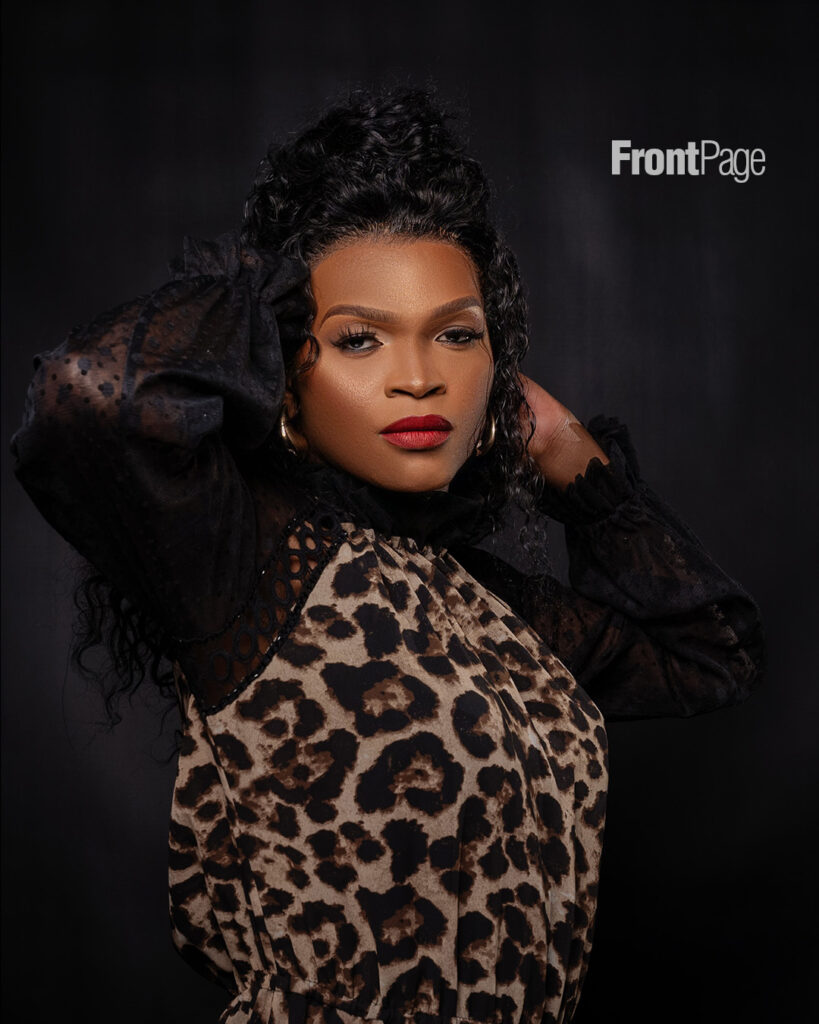
As we reflect on the brave women who marched to the Union Buildings on this day in 1956, it’s also worth noting that your own career has been marked by activism. You have always been an active member of society when it comes to platforming women who have not always felt included?
My Activism has always been rooted in me choosing my truth. It would be me speaking for what I feel like is right whether it’s for myself or another woman. At first, I didn’t even know it was called activism, I was just speaking for what I felt was right.
For me, now, I hope that all my efforts have allowed for more opportunities to fall into the hands of those who are walking after me. They don’t have to look up to me or love me, but as long as my efforts mean there’s more opportunities for others, then I always feel as if my activism is achieving what it is supposed to.
I’m often in positions where I am the “first black transgender woman” to do a certain thing. I often feel like that’s a lot of pressure and a lot of weight to carry. But it’s not a flex, it’s not me wanting to be the first – it’s just great that me being the first to do something can allow another trans woman the opportunity to do even more.
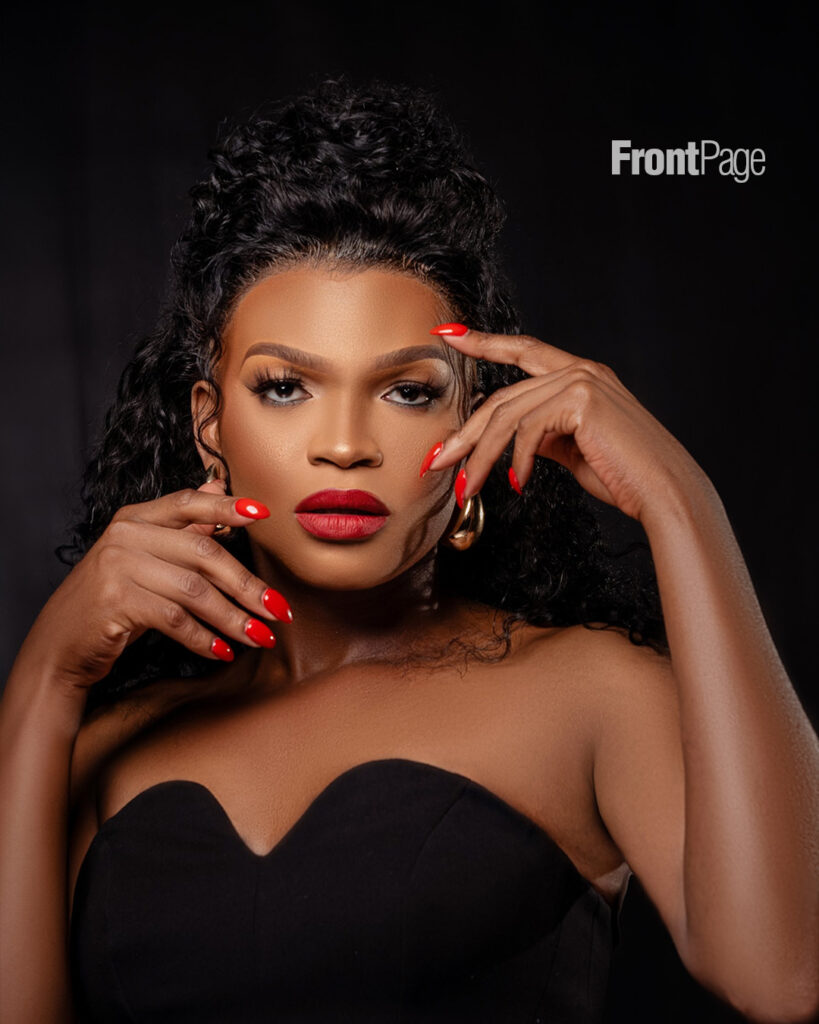
Even when we discuss these firsts, it’s important to note they aren’t small achievements. From international exhibitions to brand collaborations with the biggest brands on earth – put some respect on your name too, ma’am!
It means a lot – especially when big brands come on board. How many times do trans women sit in these board rooms, contribute to discussions, and conceptualise campaigns only to be left out of the actual material. The actual billboard models and covergirls are never trans women.
So that’s why I truly respect and admire the brands I have worked with in my career who have not only accepted me for me but put me front and centre. For a brand like Karl Lagerfeld to be able to trust me with their platform, and to openly say ‘we want you’ while also taking my input onboard on how we want to execute our campaigns.
It’s truly special when internationally renowned brands and even designers like Gavin Rajah have trusted me with their brands but allowed me to join them as I am. And when a brand doesn’t want to agree to my standards or values (or indeed value), then I am happy to politely say ‘thanks, but no thanks’.
If there are brands playing their part – then who else needs to pick up their weight, in your opinion?
Our government. If we had a working government, trans people wouldn’t be facing many of the problems that many marginalised groups themselves aren’t even facing.
Which parts of the government specifically?
First and foremost, Health. For a number of reasons, trans women are denied or don’t have access to equal healthcare.
Secondly, Education – a lot of trans people cannot live, work, go to school as themselves because of a lack of education around gender from a young age.
There are so many areas – SMME leadership – I don’t know if there are many trans people getting support from the government to be able to fund and run their businesses.
Police is up there with the most important sector we need to address. We can’t be having trans women having problems when they go to report cases at the police station. As it is, it’s a horrible experience as a black woman to open a case, but as a trans woman you get even less support.
Bringing it back to the present day – as we observe Women’s Day this August, can you think of one thing you think we are doing right as a nation – and one thing you would like to see us do better in the next year?
I definitely believe that the one thing that makes me proud to be a South African woman is seeing how we have found our voices and are writing our own destinies and stories. Women are now leading businesses, educating themselves, making money, influencing the world and also pushing for justice. We are going to police stations to open cases, we aren’t afraid of anyone or waiting on anyone’s approval.
The area we can do better is definitely, as I said earlier, leadership. We are still failing to take women seriously in this country because our leaders are not taking our concerns and rights as seriously. Criminals and abusers aren’t afraid of the consequences because, so far they’ve seen that our leaders won’t take them that seriously, so nothing is going to happen.
As women we are doing our part, it’s time for leaders to do theirs. Opening a case at the police station is ‘doing my part’ as a woman. As the government, you need police you will aid me in my case.
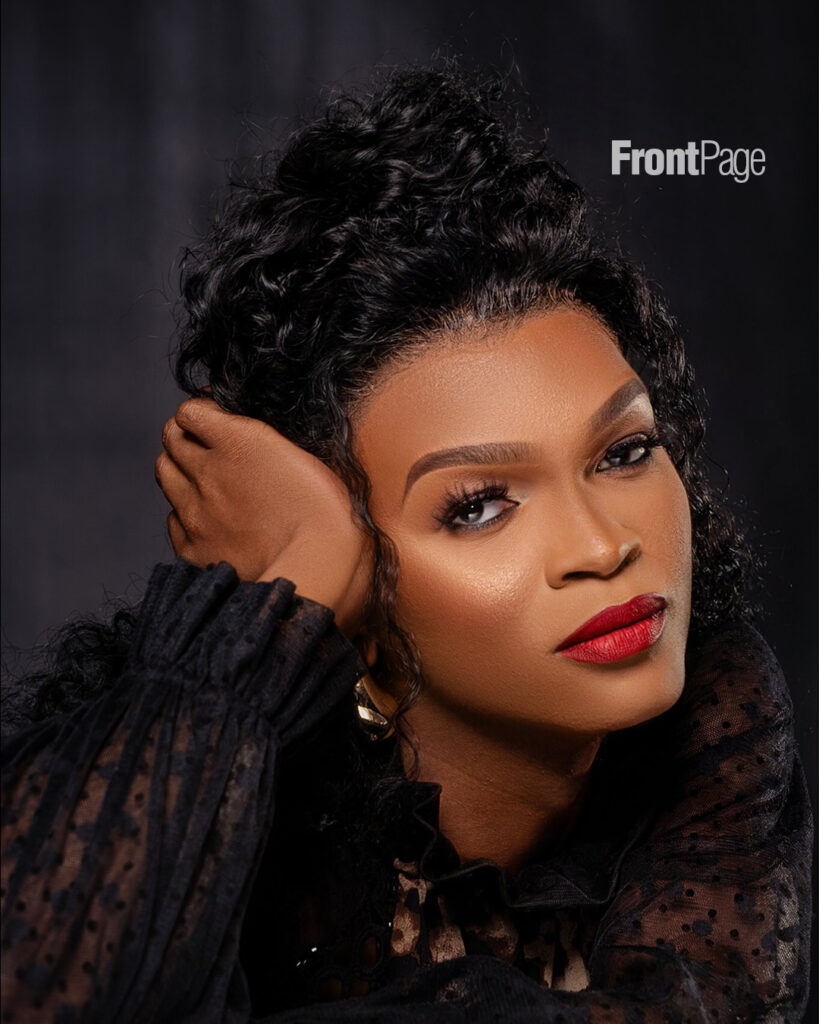
In the most difficult of times, art can be a platform for the voiceless to speak loudest and Yaya is no stranger to its power. Having embarked on their global ‘Black, Trans & Bold’
Being the first to do anything is always so scary for me. It’s so stressful! Sometimes it can make it a bit intimidating to start because I don’t know how it’s going to be received. Then you have the pressure of wondering if this kind of project will be executed to the level the industry expects it. You find yourself with doubts and questions – it’s scary, but I’m glad i had the courage to start.
But after people saw my first paintings, they were blown away! I couldn’t believe it, I couldn’t believe the reception. When you grow up in an environment where you are not affirmed and have people telling you how valuable you are, it creates a lot of negative questions in your mind.
So when you hear this kind of praise, there’s a voice that threatens all of that – like ‘Are these people lying? Are they faking it?’ but I just have to remind myself that even if they didn’t like it – why would they pretend? (especially in this day and age!)
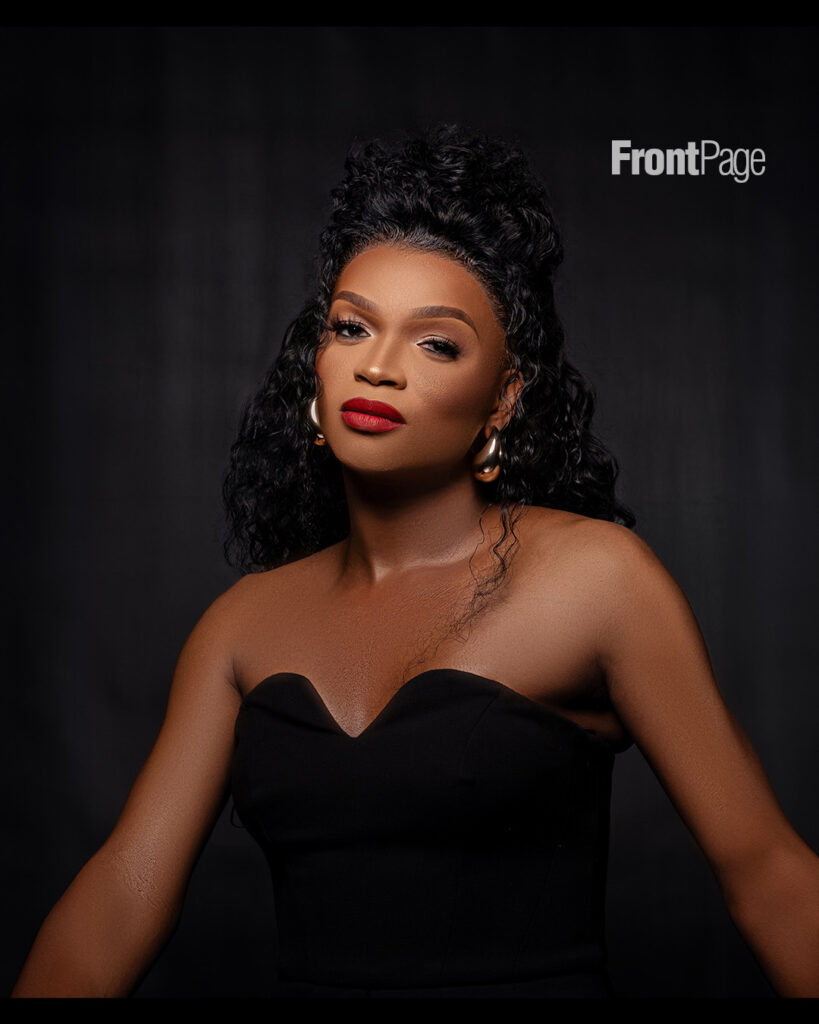
In a similar fashion, where they have the opportunity, Yaya will use their voice to speak further change into action. This was evident once again when they presented a talk at TedxJohannesburgSalon this past Mandela Day speaking on 17 Global Goals.
It’s opportunities like these that make all the difference and once again I was privileged to share my message on not only an important national platform but one which will reach the rest of the world too.
Once again, I personally feel that by living my truth I hope such opportunities can be afforded to more trans women in the very near future and that their contributions to society can be valued as they should.